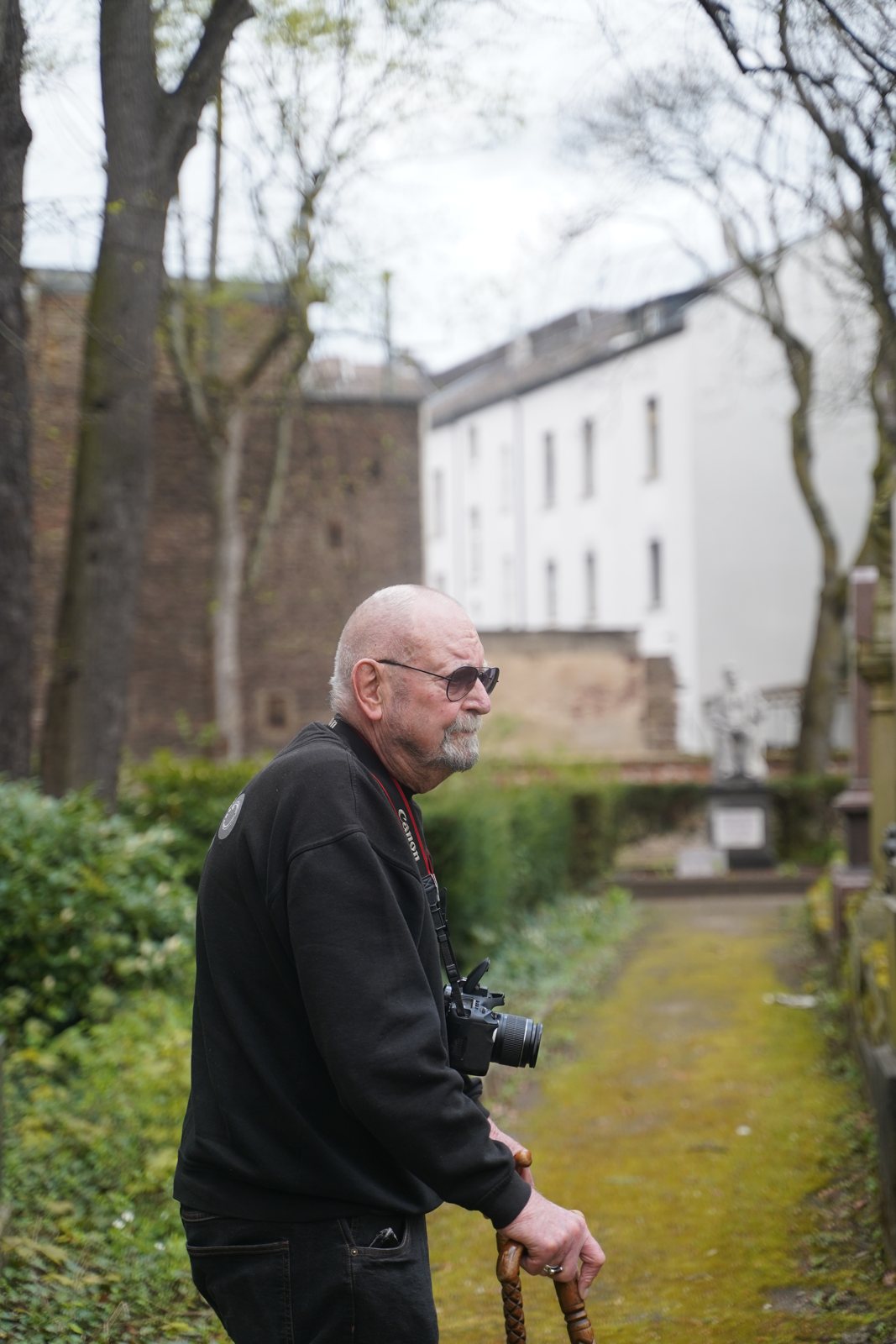
Wolfgang Rickmann
A book on Wolfgang Rickmann, the German photographer and anthropologist whose work focuses on Eastern Anatolia and Van/Vaspurakan, and on the Armenian and Christian cultures of the region, built from his personal archive.
Where it stands: Archive · stage 1 / 6
- Archive
- Interviews
- Writing
- Layout
- Launch
The work
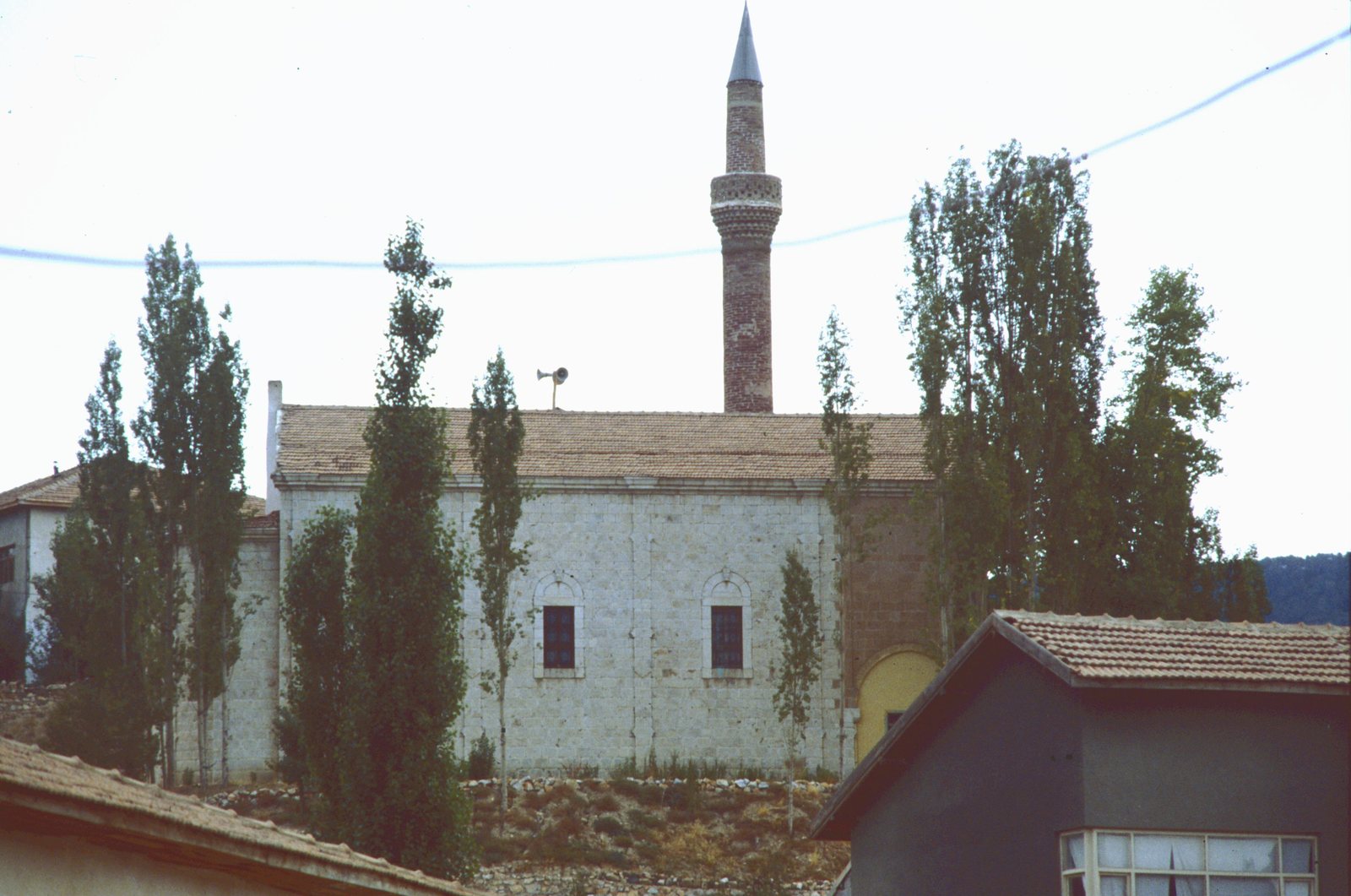
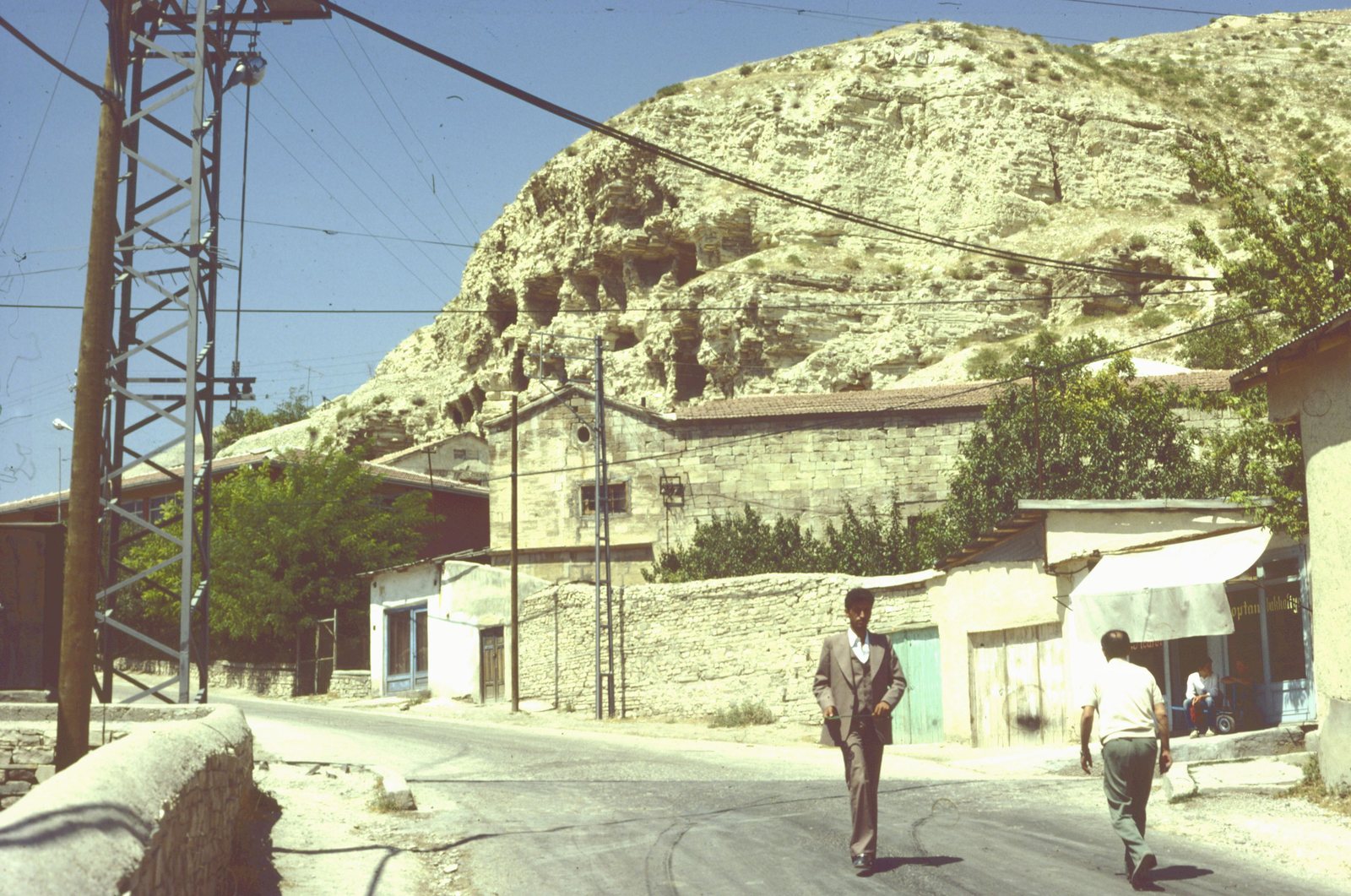
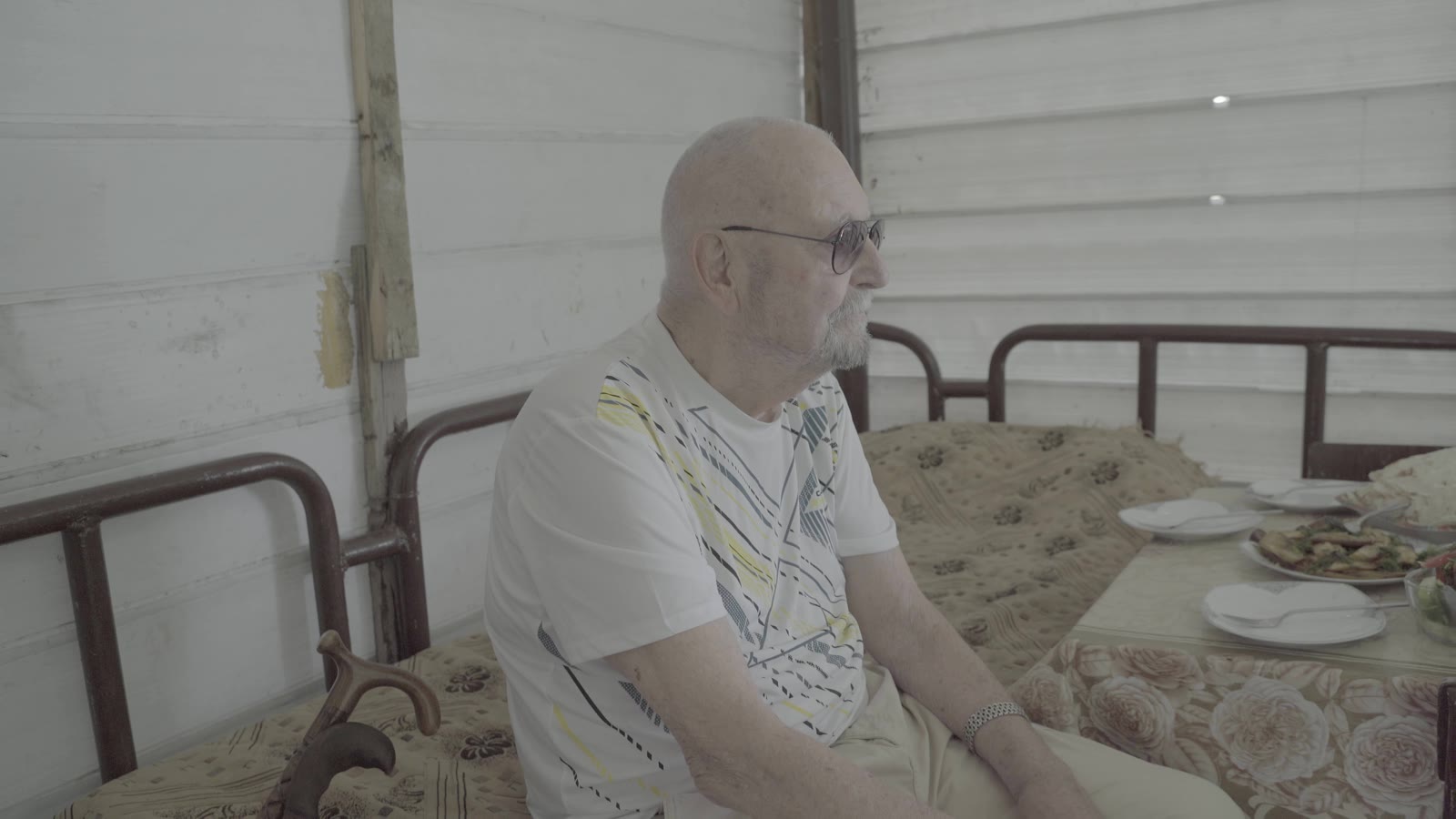
The book draws on three sources: Wolfgang's own archive of about 19,500 photographs, taken in Armenia, Western Armenia and Germany; the papers and documents he kept in Solingen; and the interviews I recorded with him in Germany and Armenia in 2024. It follows a life lived between two countries: his marriage in Basra, his journeys through Vaspurakan, the cross-stone he returned to Armenia, his years in Yerevan, and the people and places he introduced me to. I met him through my research for the Davit Bejanyan monograph, and in the summer of 2024 we spent two months travelling through Armenia together. The archive is being catalogued item by item, with a full index due at the end of 2026. The book will be published in autumn 2027, in Germany and Armenia.
Watch a raw cut from his visit: Wolfgang Rickmann at Tsitsernakaberd, 2024
Timeline c. 1971–2027
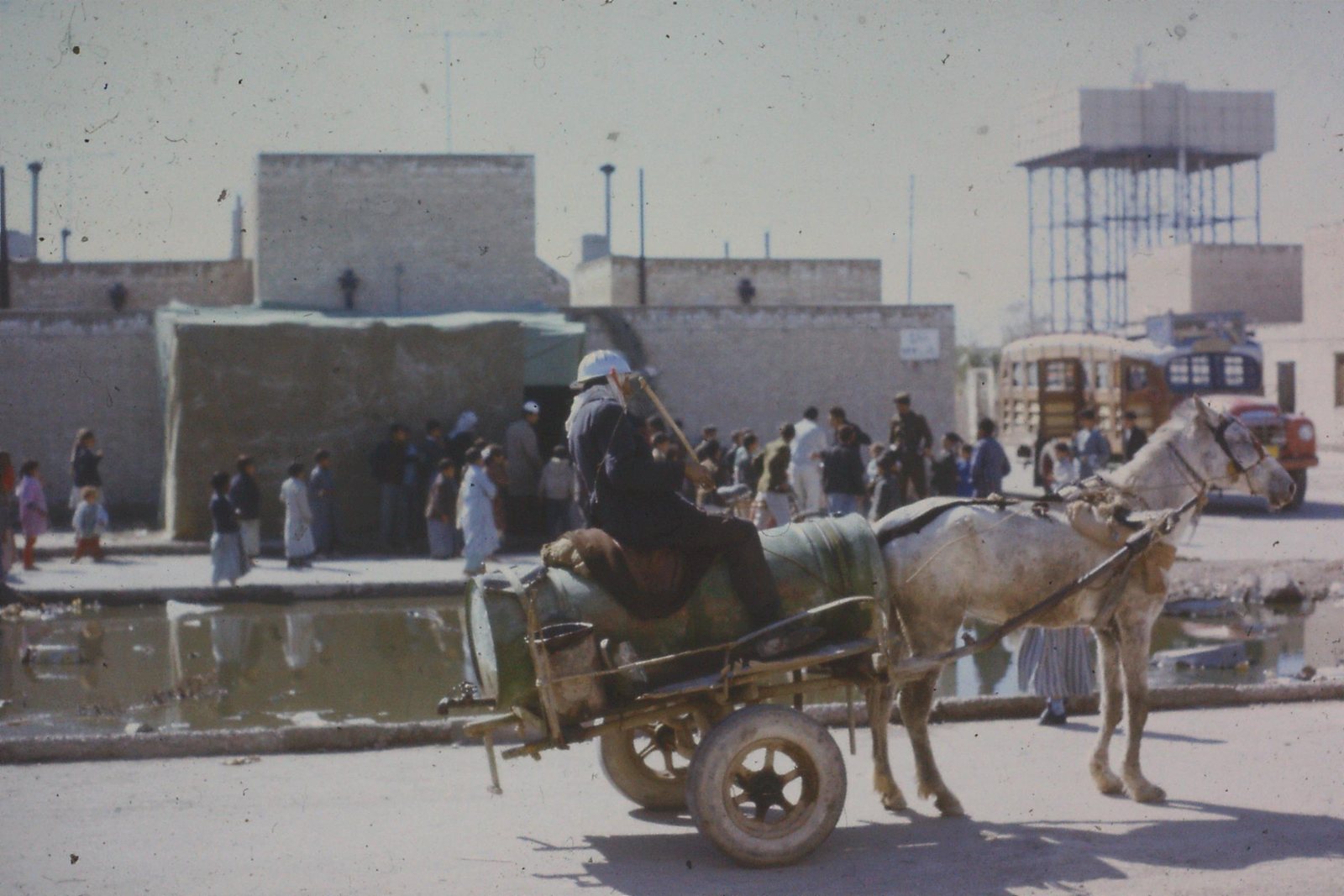
c. 1971 Working on an archaeological project in Iraq, meets his future wife on a trip to Babylon; they marry a year later in the Armenian church in Basra.
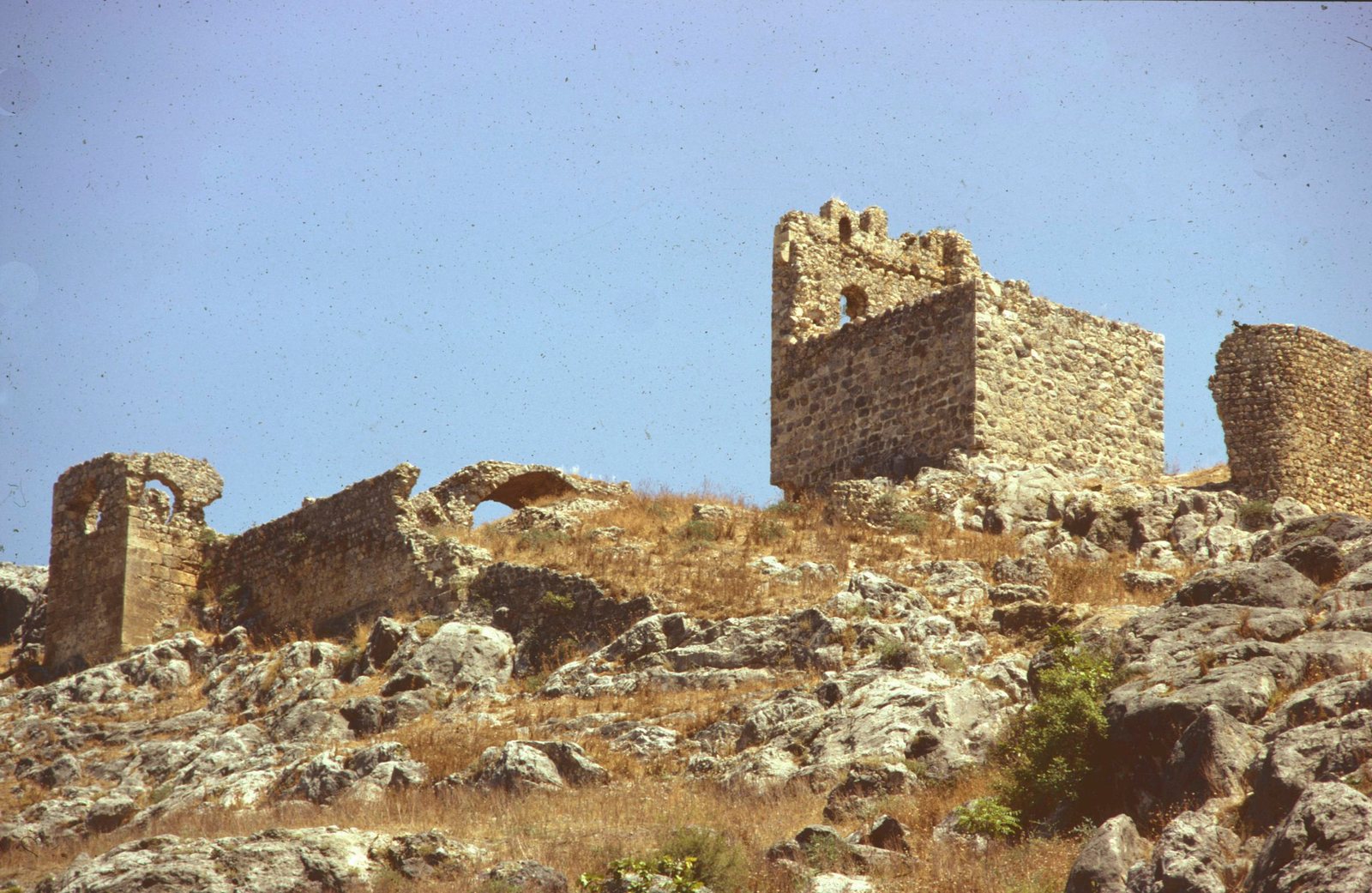
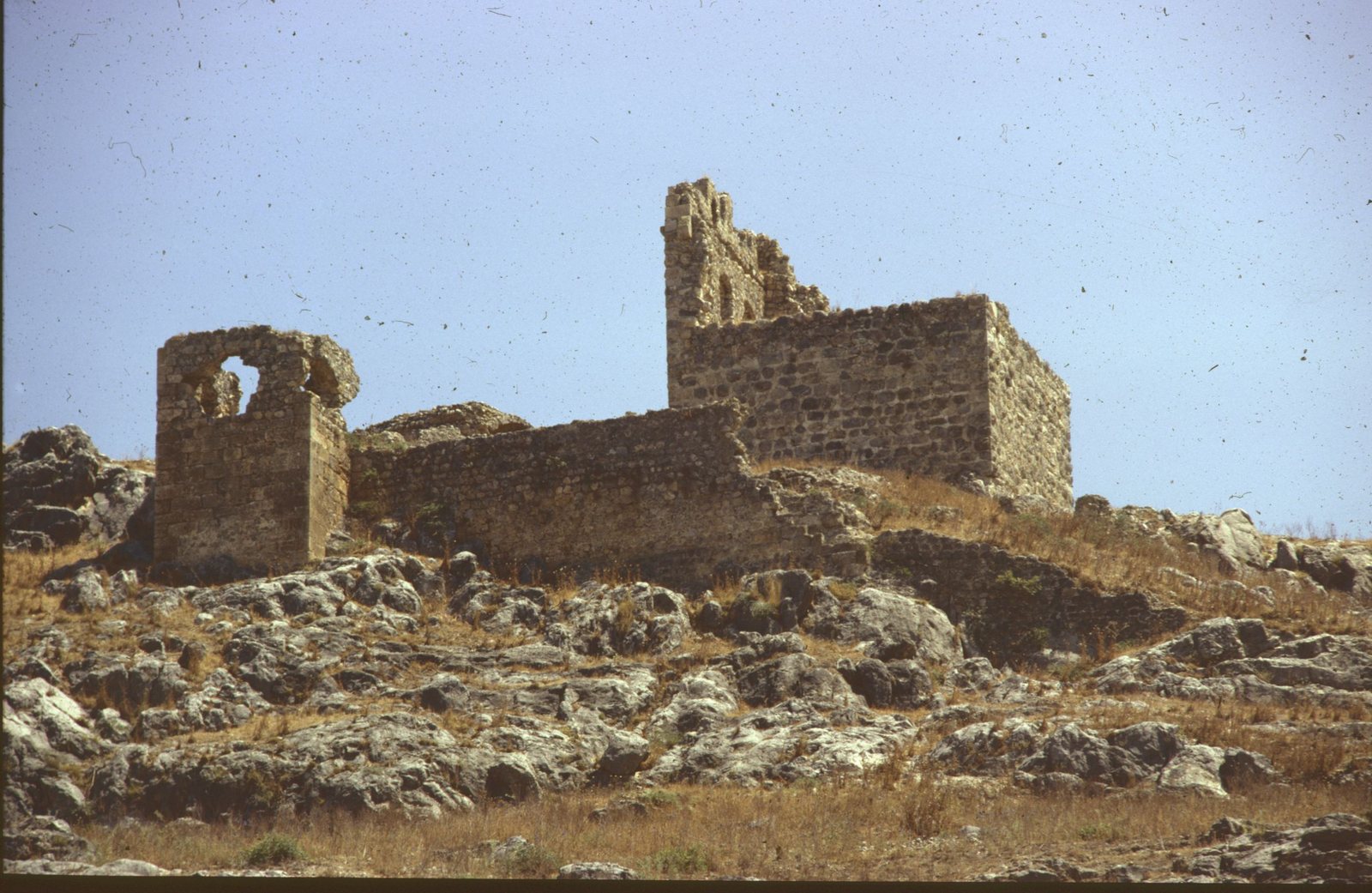
1970s–2000s Studies historic Armenia, above all Vaspurakan, and travels through Western Armenia at least eight times. Finds a cross-stone at the ruined church of Poghos-Petros in Van.
1989 First visit to Armenia, after the Spitak earthquake of 7 December 1988. From then on he returns every year.
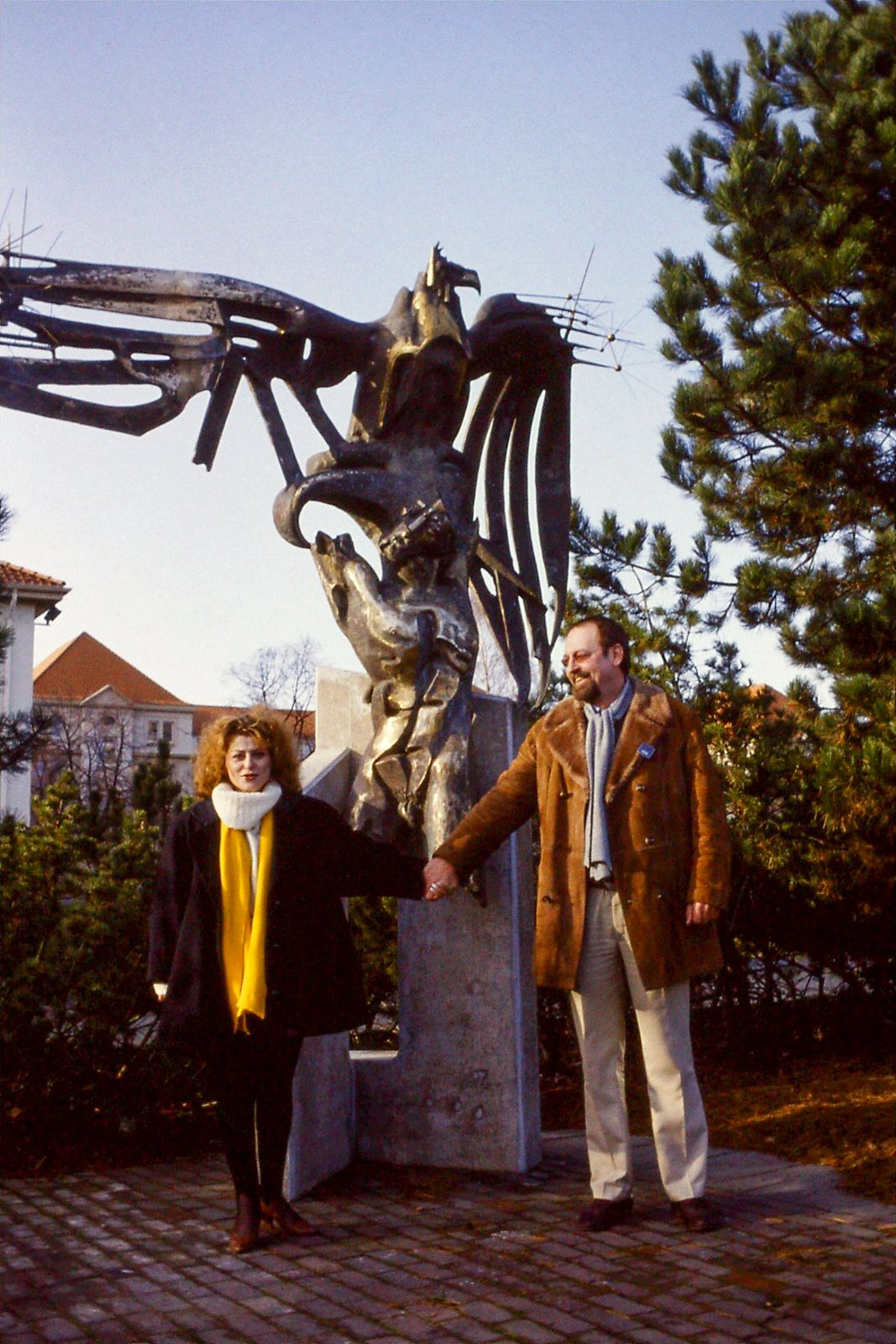
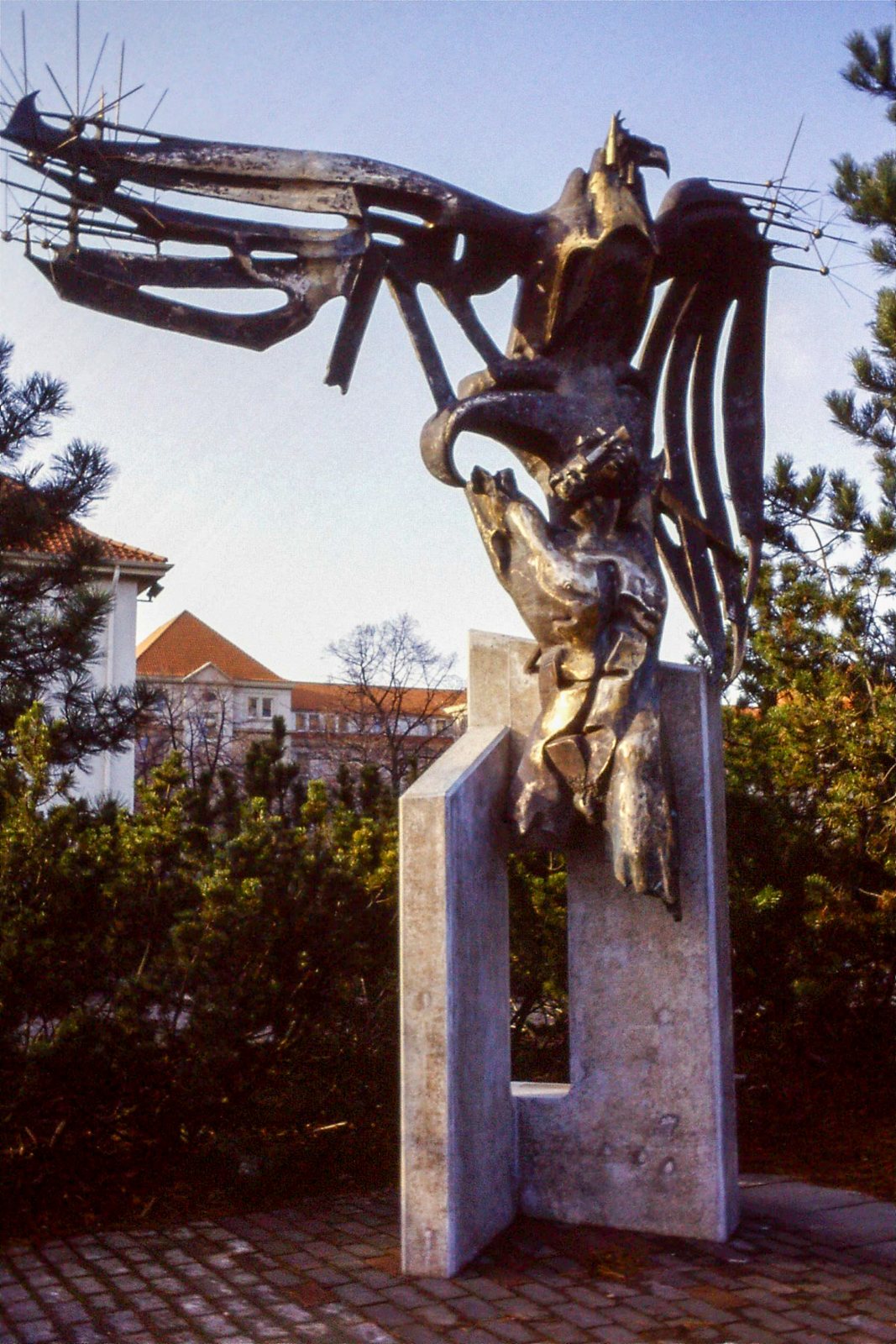
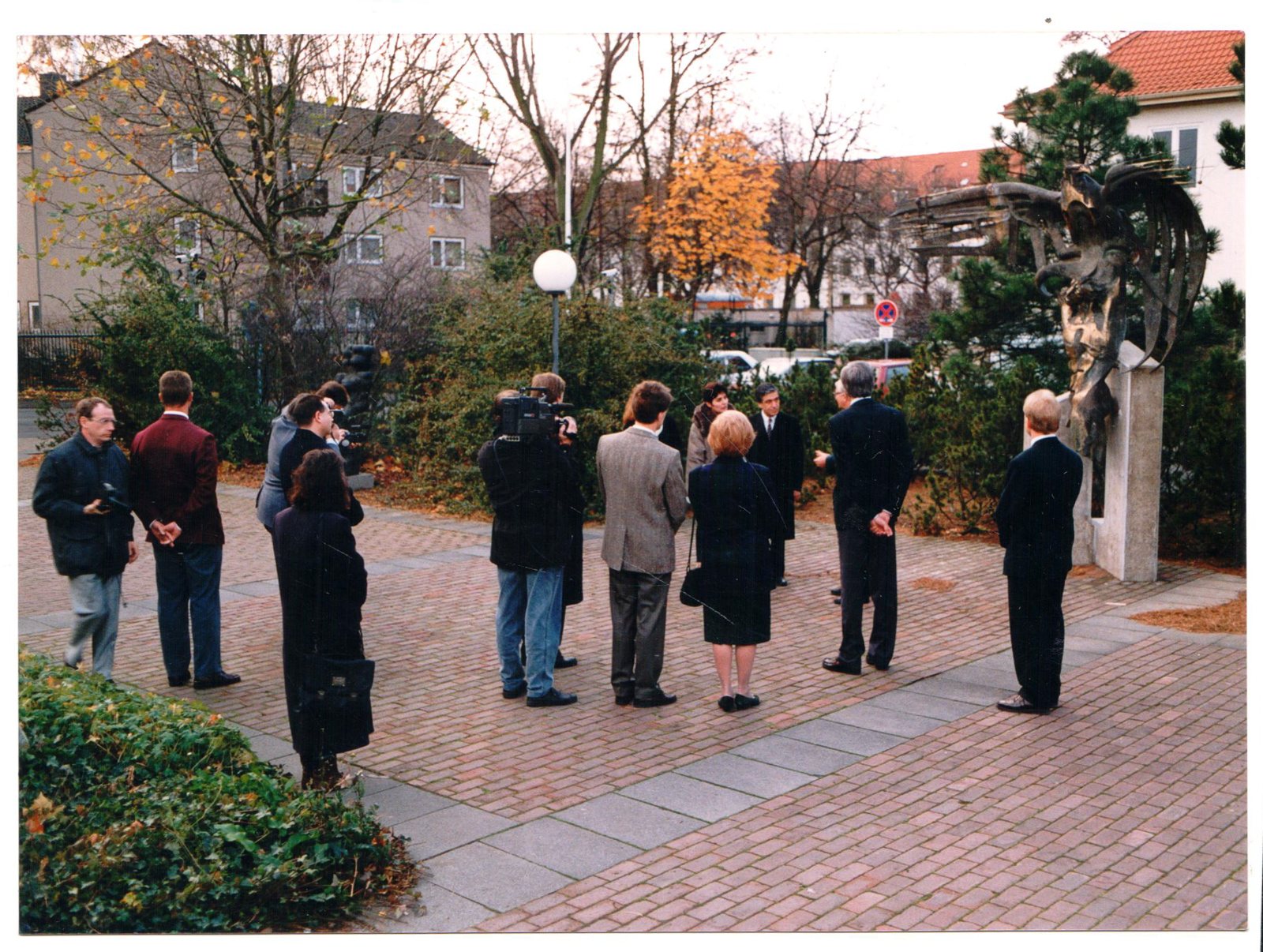
1990s Organizes the Armenian–German connection for Davit Bejanyan's Thank You, Germany, presented to the German government and installed in Bonn.
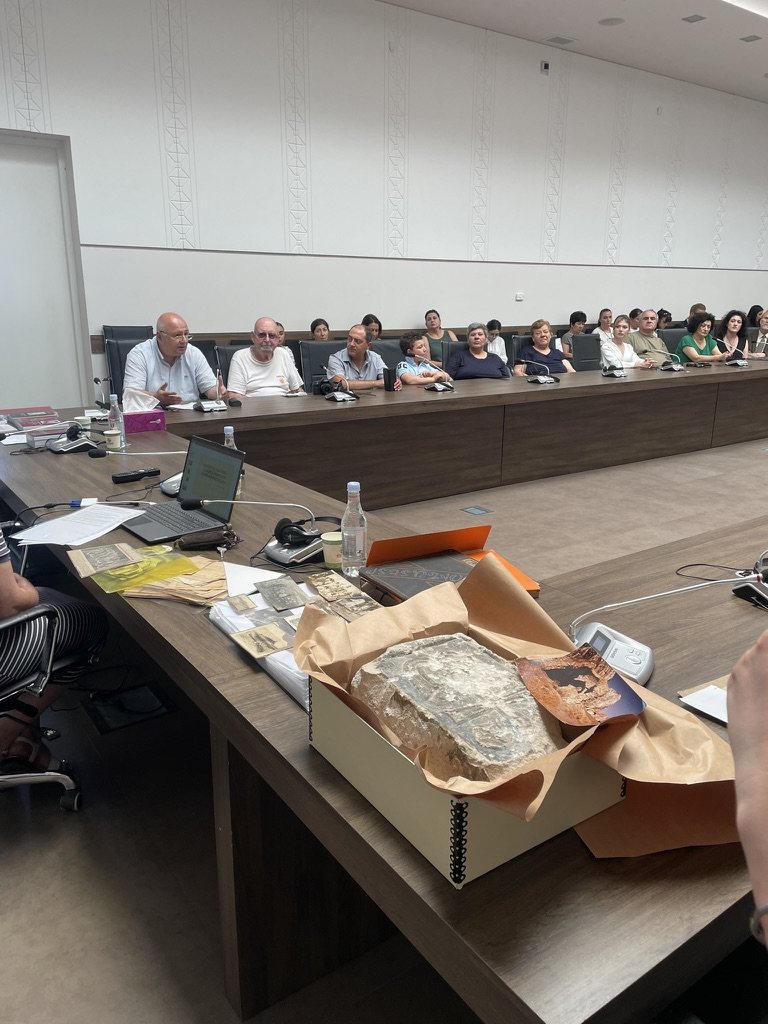
2000 Gives the cross-stone to the Armenian Genocide Museum at Tsitsernakaberd.
2010–2015 Lives in Yerevan. Works with GTZ, the German agency for technical cooperation (GIZ from 2011), and researches at the Matenadaran, the Mesrop Mashtots Institute of Ancient Manuscripts, which holds more than 17,000 manuscripts.
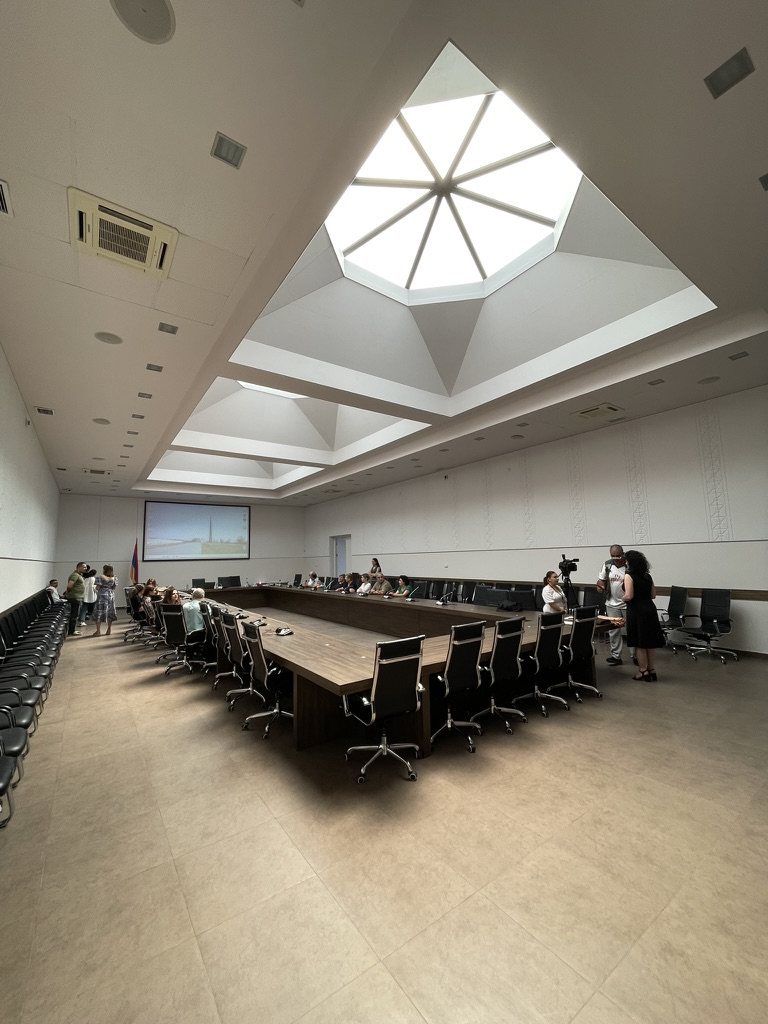
2024 Bonn and Solingen in April; two months in Armenia in summer, with the press conference at the Armenian Genocide Museum on 25 July.
2027 The book, published in Germany and Armenia.
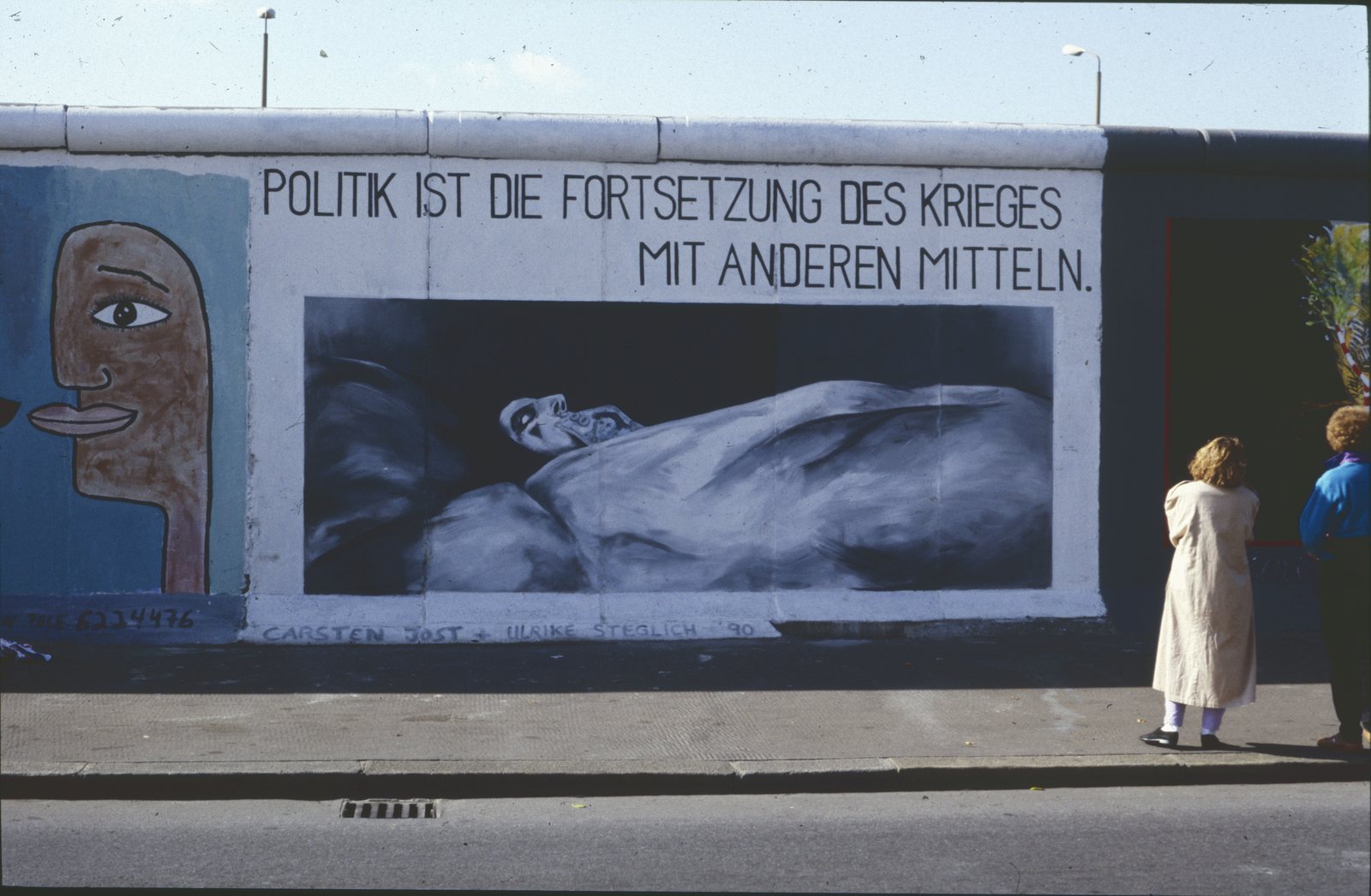
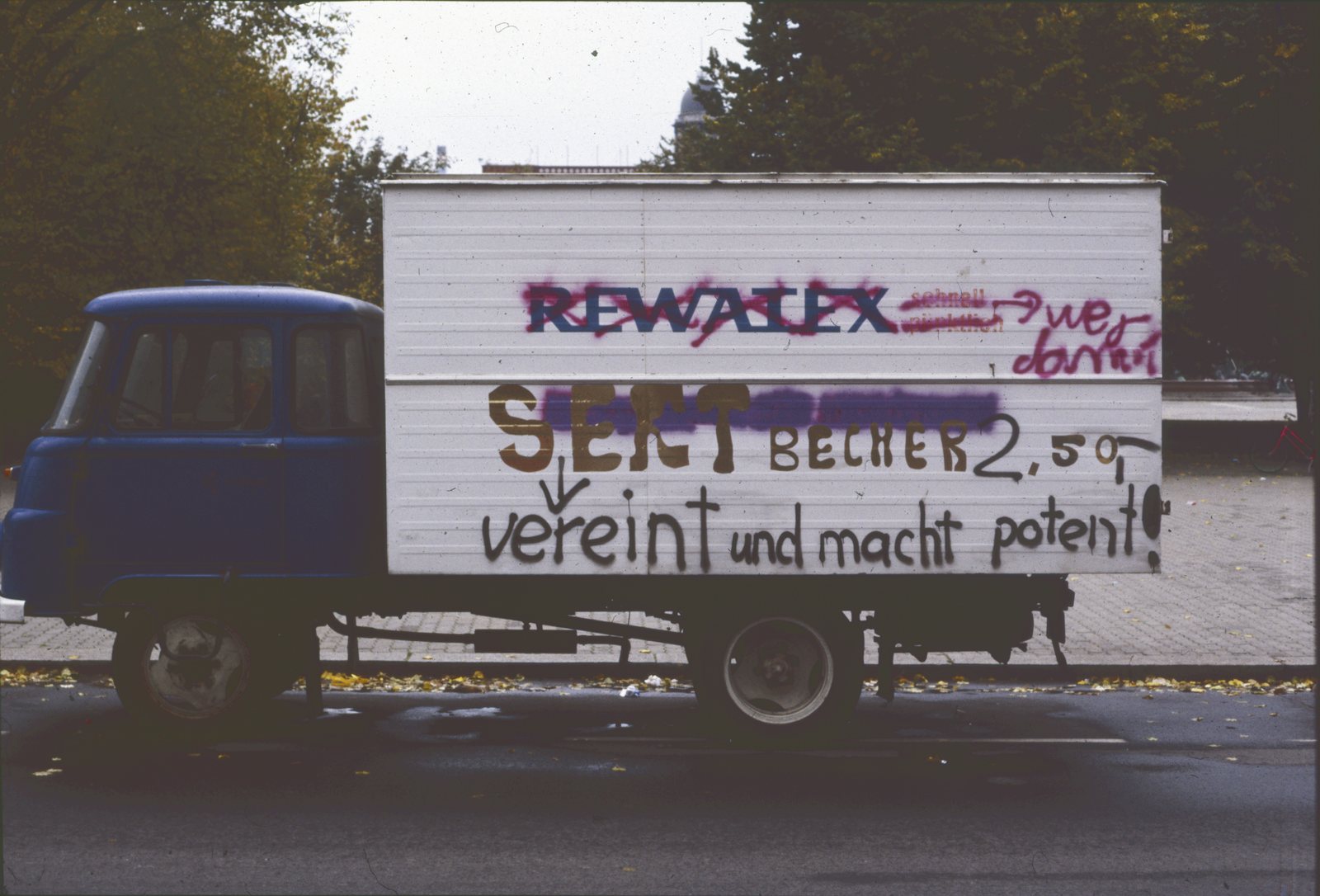
Berlin

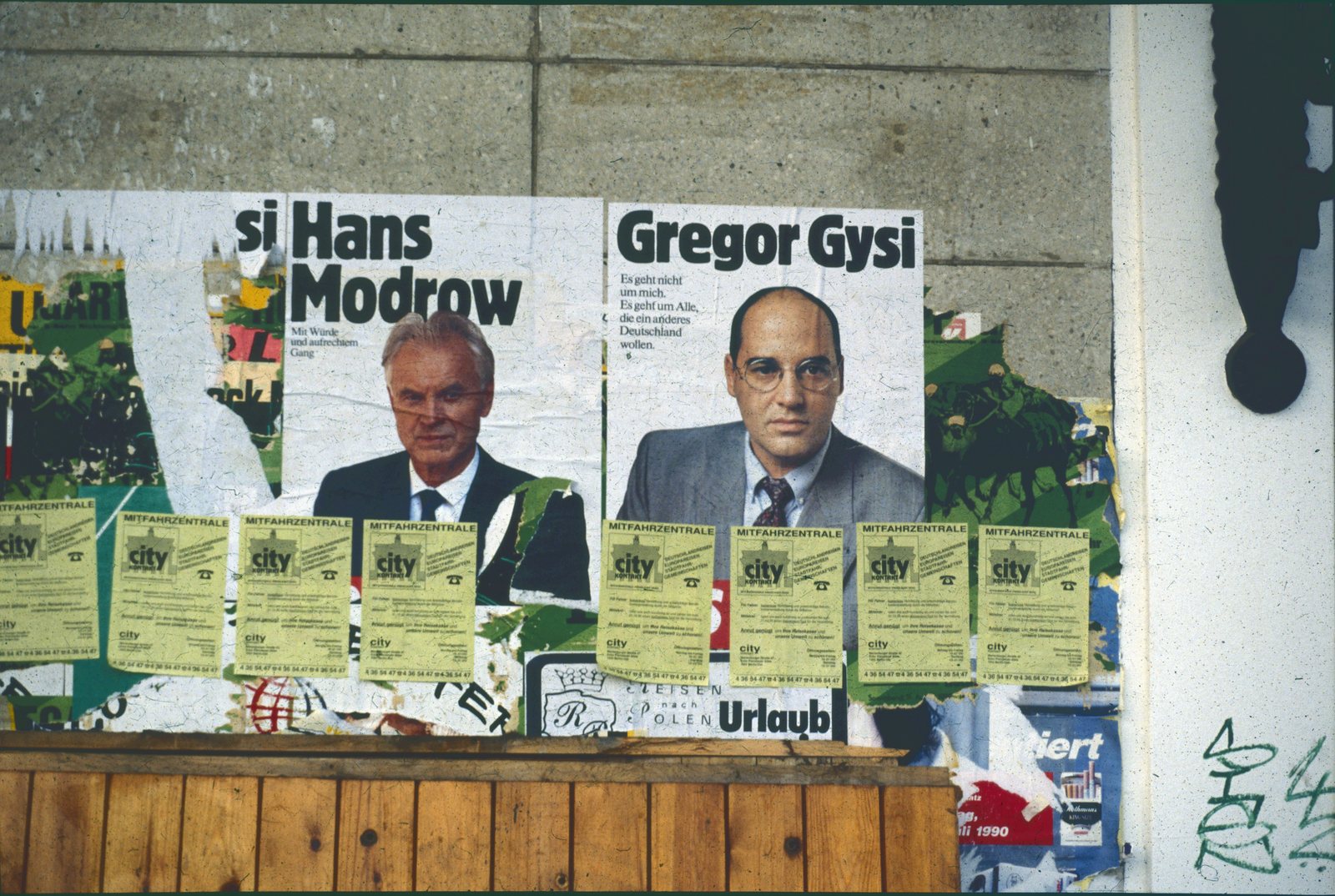
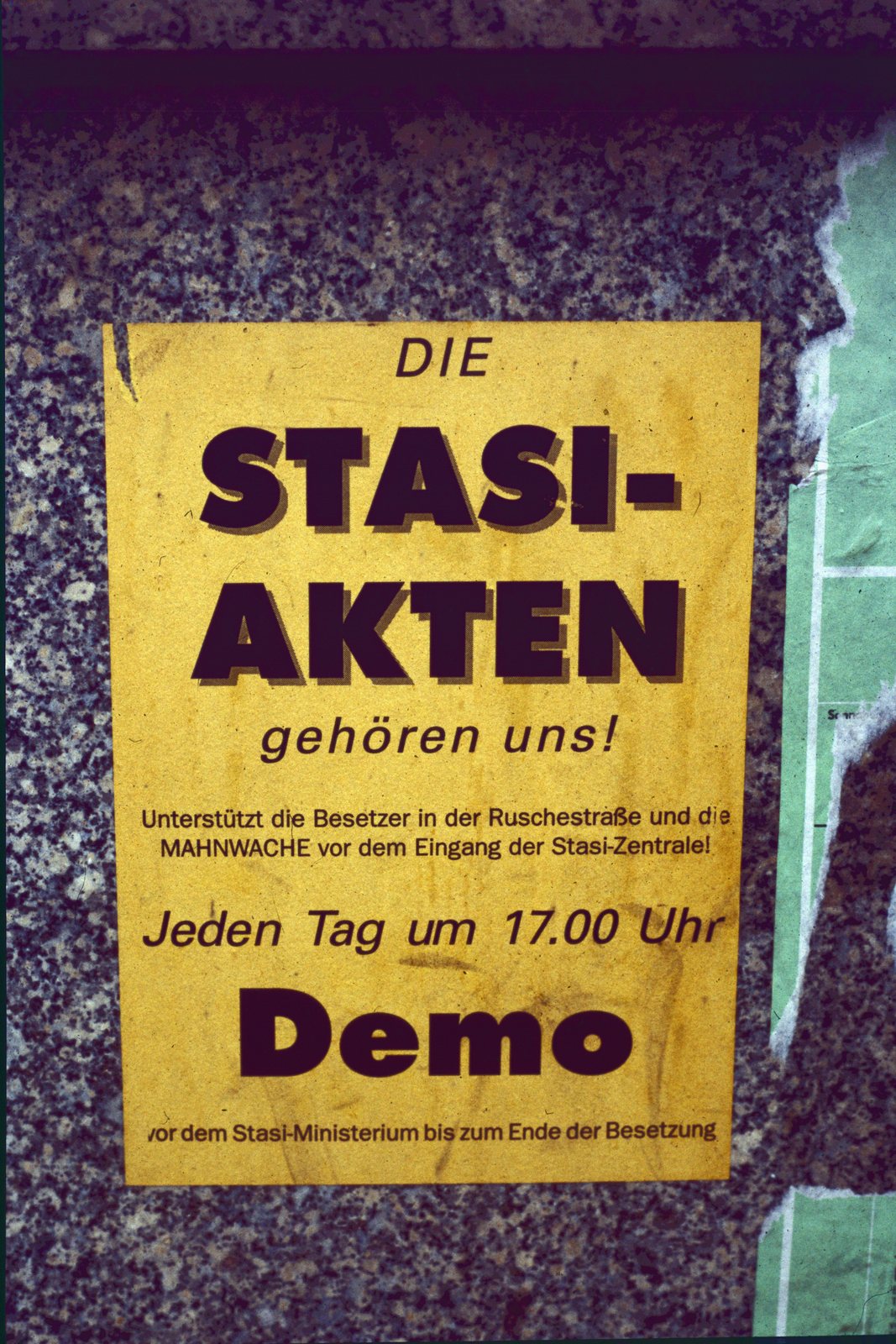

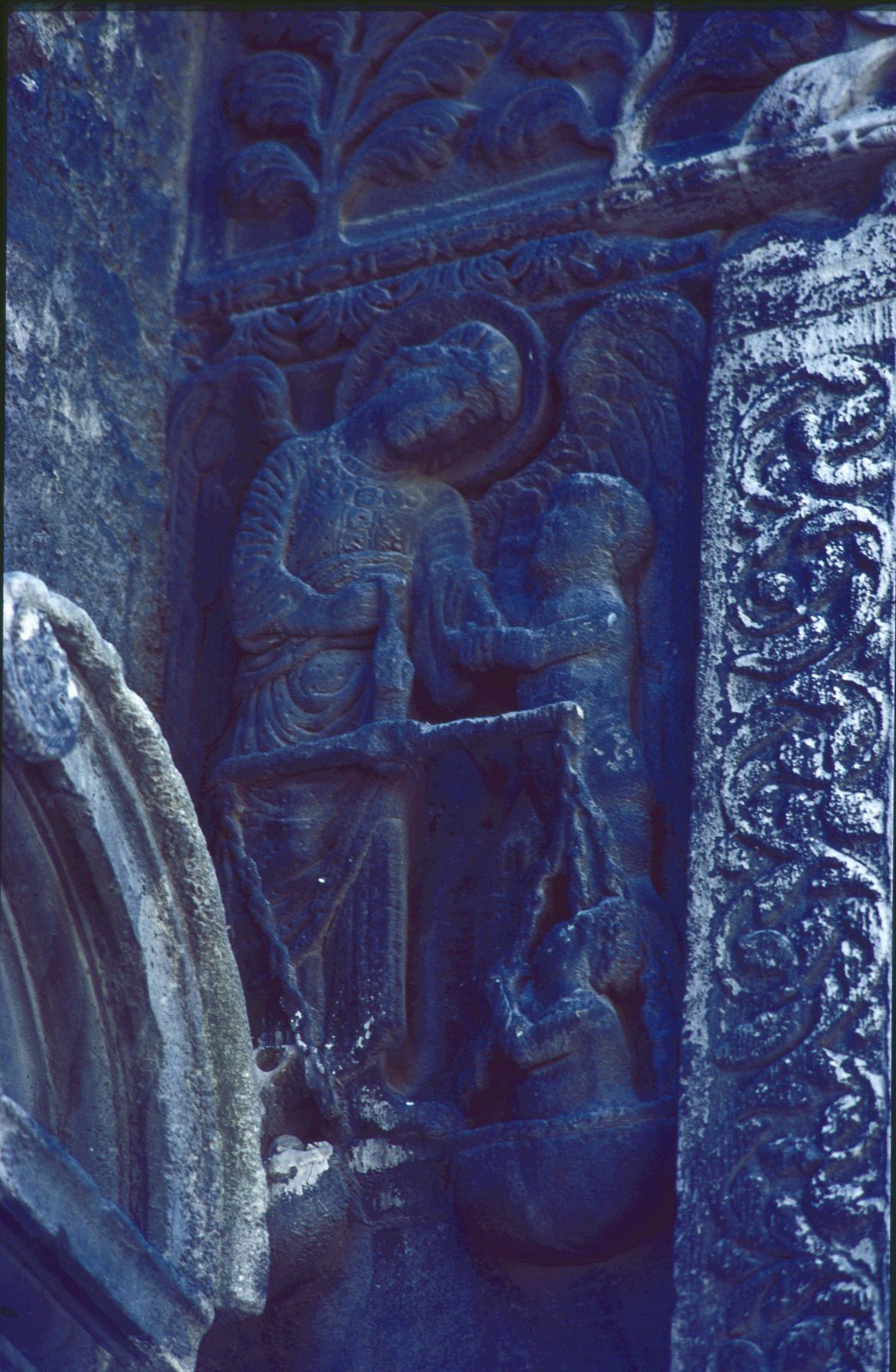
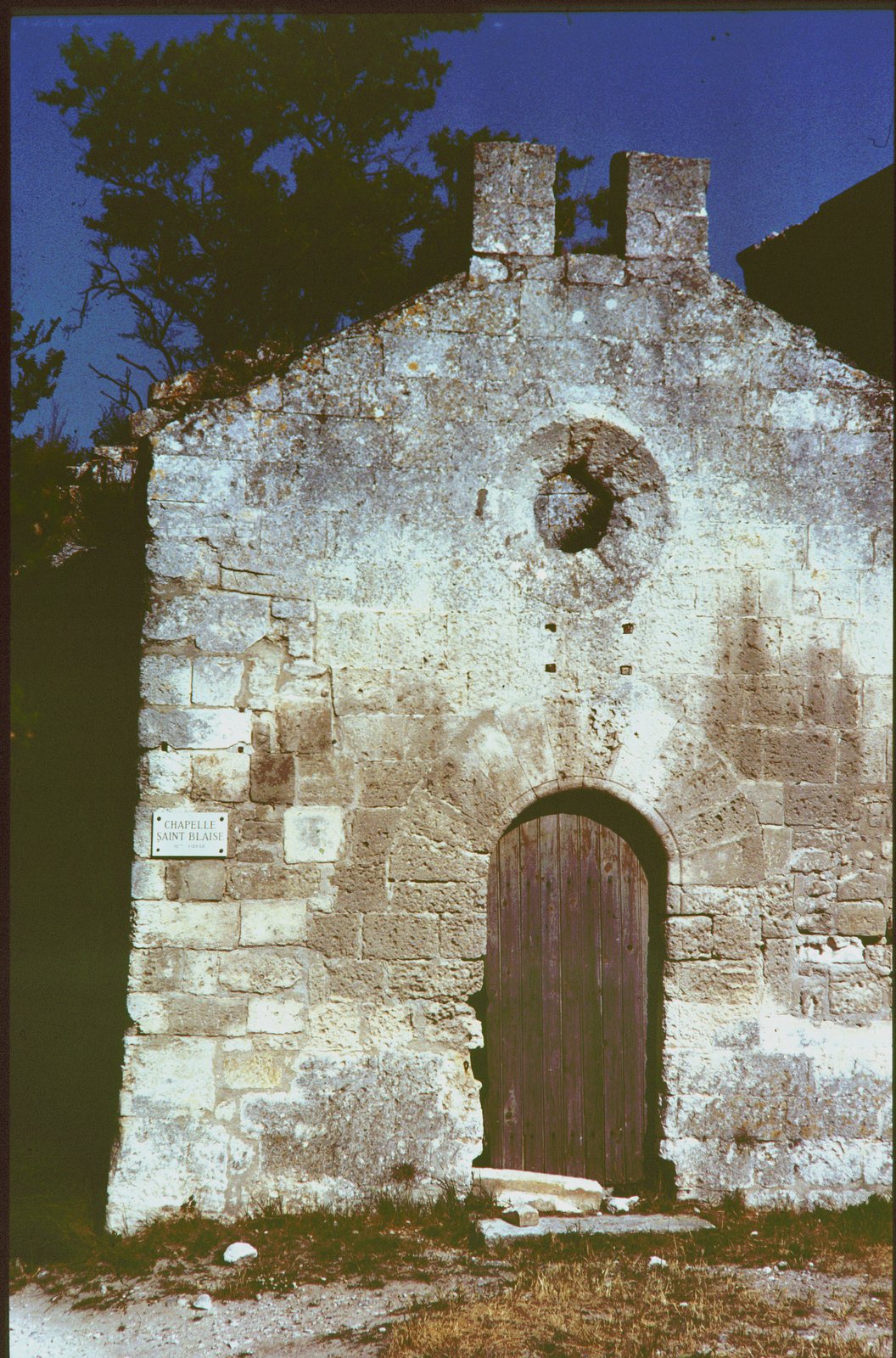
Vaspurakan


Istanbul

Iraq

Road
Bonn
Museum

Village
Home
Schumann